Healing Waters: Unlock the Therapeutic Power of Natural Springs
A day spa offers treatments. A wellness resort offers a different kind of trip altogether. The distinction matters when you’re deciding what kind of experience you’re actually looking for and whether a single afternoon or a full stay will give you what you need.
The short answer: a wellness resort is a place where the environment itself is doing work. The setting, the water, the food, the programming, and the pace are all designed to support recovery and restoration, not just during a 50-minute massage, but throughout your stay.
At Ojo Spa Resorts, with two properties in Northern New Mexico, that philosophy is rooted in hydrotherapy, salus per aquas, health through water. It’s been the foundation of these springs for centuries. This piece explains what that actually means in practice, and why it changes what you get from the experience.
What Is a Day Spa?
A day spa is a facility focused on individual treatments, such as massages, facials, body wraps, and similar services. You book a treatment, arrive for your appointment, and leave when it ends. The experience is defined by what happens in the treatment room.
Day spas are genuinely valuable. Expert hands, quality products, and dedicated time for bodywork make a real difference. But the experience is contained. When the session ends, so does the environment supporting it.
What Is a Wellness Resort?
A wellness resort is a destination where restoration is built into the very structure of the place, not just offered as a menu item.
The defining characteristics:
The environment is intentional. Natural setting, considered architecture, and sensory calm are part of the offering, not incidental to it.
Multiple modalities work together. Soaking, movement, treatments, food, and rest are designed to complement each other throughout the stay.
Time is part of the medicine. The benefits compound the longer you’re there. A single night gives you something. Two nights give you considerably more.
The water plays a central role. At genuine hydrotherapy resorts, the mineral or thermal water isn’t a backdrop. It’s a core treatment element.
What a wellness resort is not: it is not a med spa, a luxury brand experience, or an all-inclusive package resort. The distinction matters. Wellness resorts tend to be quieter, less programmatic, and more grounded in natural surroundings than curated amenity lists.
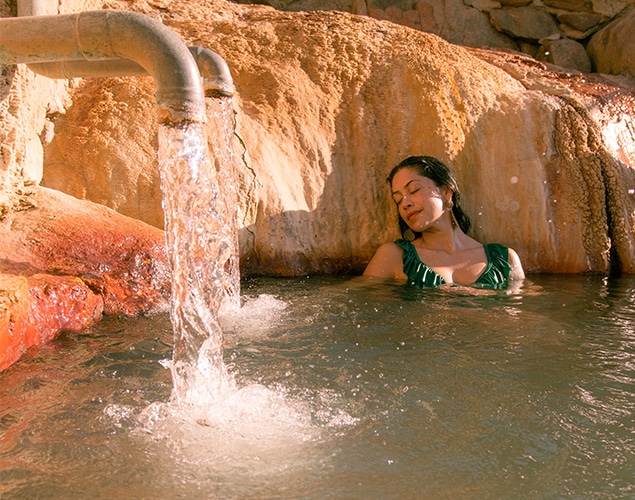

How Ojo Spa Resorts Embodies the Distinction
Ojo operates two properties in New Mexico that illustrate this model in distinct ways. Neither is a day spa. Neither is a hotel that happens to have a spa attached. Both are built around the idea that water, landscape, and unhurried time together produce something a single treatment cannot.
Ojo Santa Fe Spa Resort
Ojo Santa Fe sits on 77 acres in the La Cienega Valley, 20 minutes from downtown Santa Fe. The property is built around a natural aquifer whose spring-fed thermal pools rise gently from the ground and are heated to varying temperatures across multiple soaking areas.
The spring-fed pools are not an amenity alongside the experience. They are the experience, available to overnight guests from 7:30 am to 10 pm every day, including check-in and checkout days. The communal soaking areas, the saltwater swimming pool, the Eucalyptus Steam Room, and the float tank all sit within the same continuous environment.
The Ojo Santa Fe Spa integrates hydrotherapy into every treatment. Licensed massage therapists work with Ojo’s proprietary herbal-infused water and locally sourced botanicals. Signature treatments like Ojo Dreaming and the Lavender Body Quench are not spa menu items dropped into a generic wellness context. They are expressions of the same philosophy that runs through the pools, the trails, and the kitchen.
Five miles of private hiking trails, Pueblo-style architecture with Kiva fireplaces, daily morning yoga for lodging guests, and regionally inspired farm-to-table dining at the Blue Heron Restaurant complete a setting where recovery doesn’t stop when you walk out of the treatment room.
Ojo Caliente Mineral Springs Resort and Spa
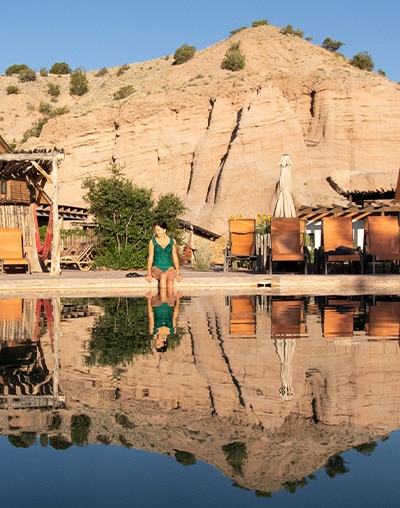
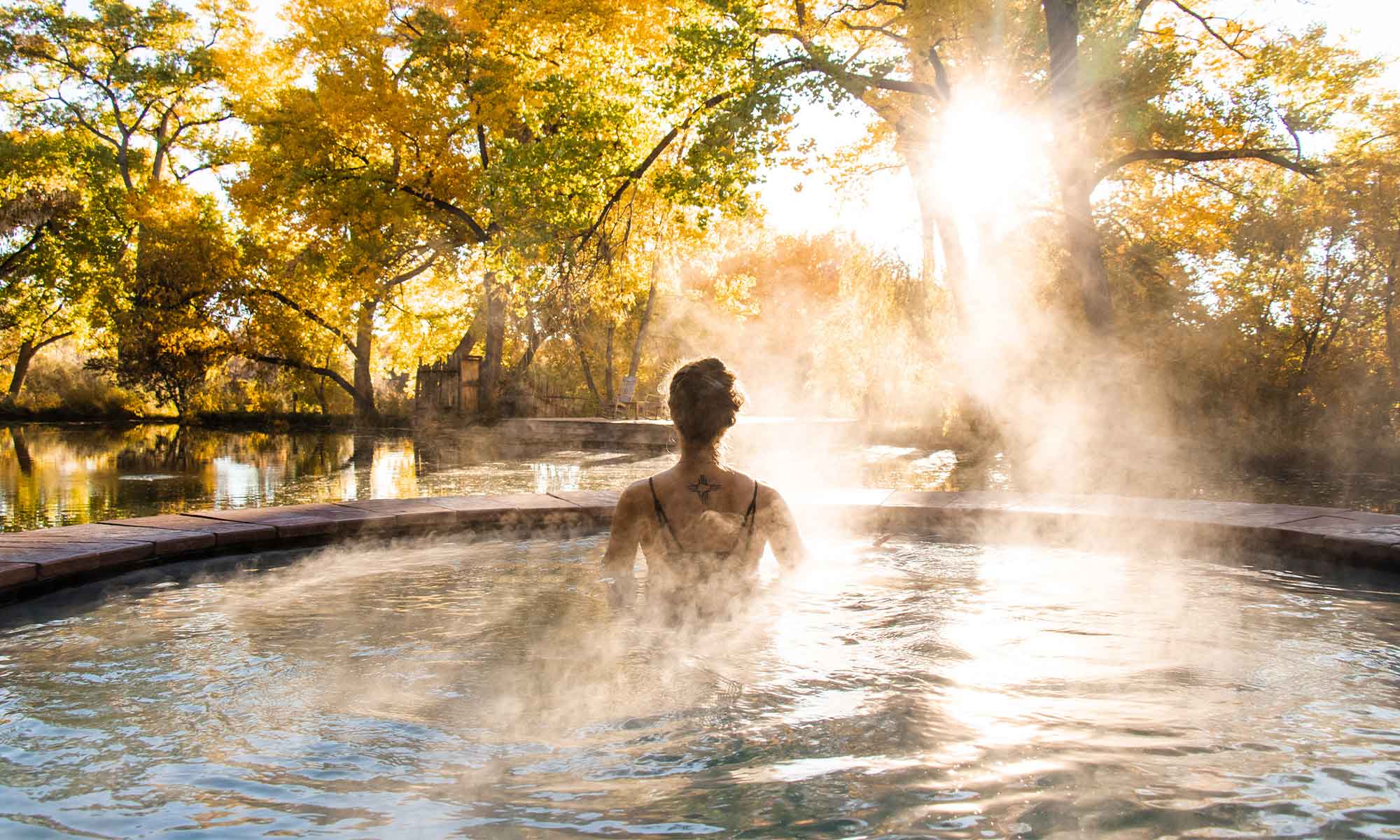
Ojo Caliente is one of the oldest natural health resorts in the United States, established in 1868. Tucked between rugged sandstone cliffs and a cottonwood-lined river valley, the property sits on geothermal mineral springs that have drawn seekers for centuries.
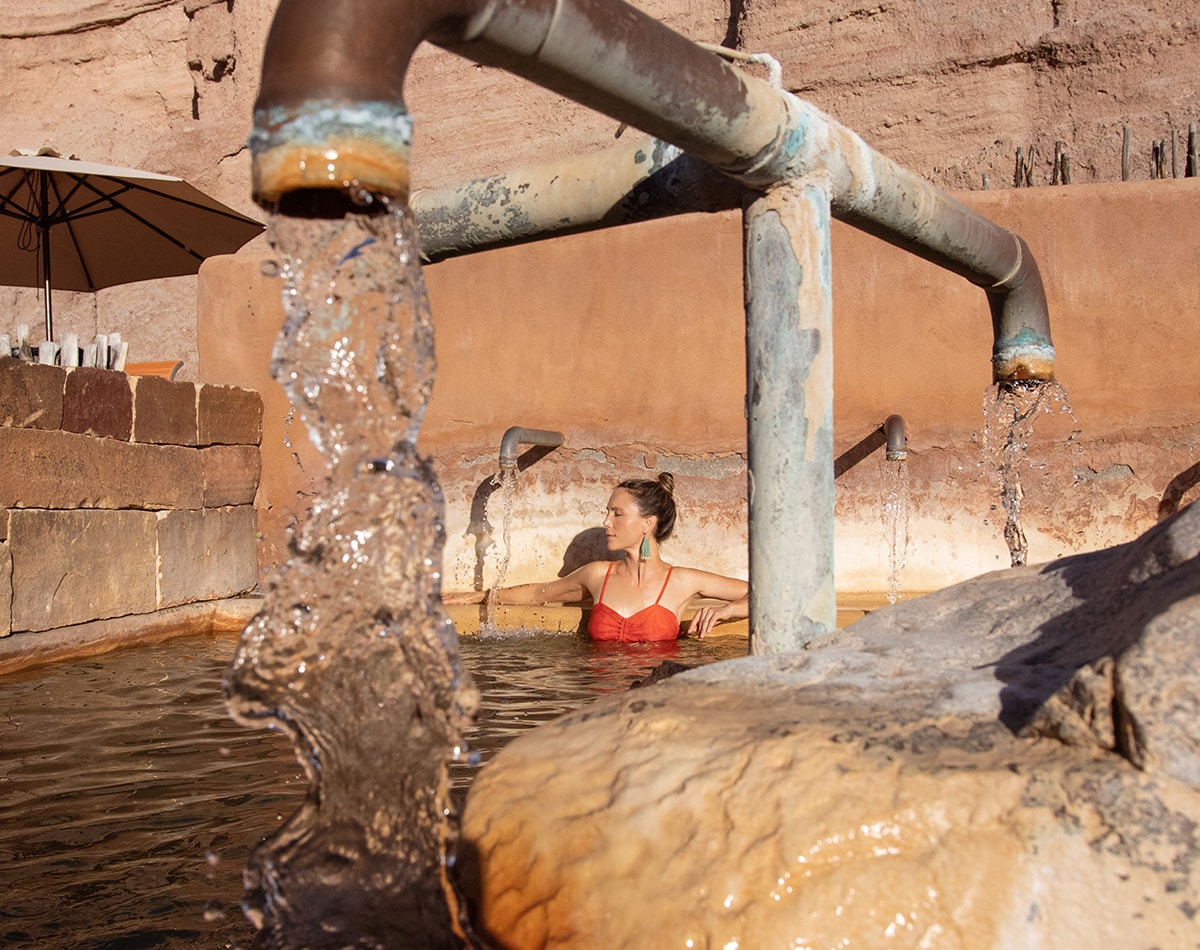
What makes Ojo Caliente singular is the water itself. These are among the only hot springs in the world with four distinct sulfur-free mineral waters in a single location: iron, arsenic, lithia, and soda. Each pool carries a different mineral composition. Each produces different effects on the body. Soaking here is not interchangeable with soaking elsewhere.
Nine communal mineral pools, private soaking options, 22 miles of adjacent BLM land for hiking and biking, a full-service spa delivering the same hydrotherapy-rooted treatments, a yoga yurt beside the river, and a working onsite farm that supplies both Ojo properties’ kitchens form a coherent whole. The rawness of the setting is not incidental. It is the point.
The Practical Difference for the Person Planning a Trip
If you are booking a day spa, you are booking a service. If you are booking a wellness resort, you are booking an environment, a duration, and a philosophy.
The questions worth asking before you book:
- Do you want one good treatment, or do you want to feel genuinely different by the time you leave?
- Is an afternoon enough, or do you need the reset that only comes from sleeping somewhere slower?
- Is the spa the main event, or is it one element of something larger?
Neither answer is wrong. But they lead to different decisions.
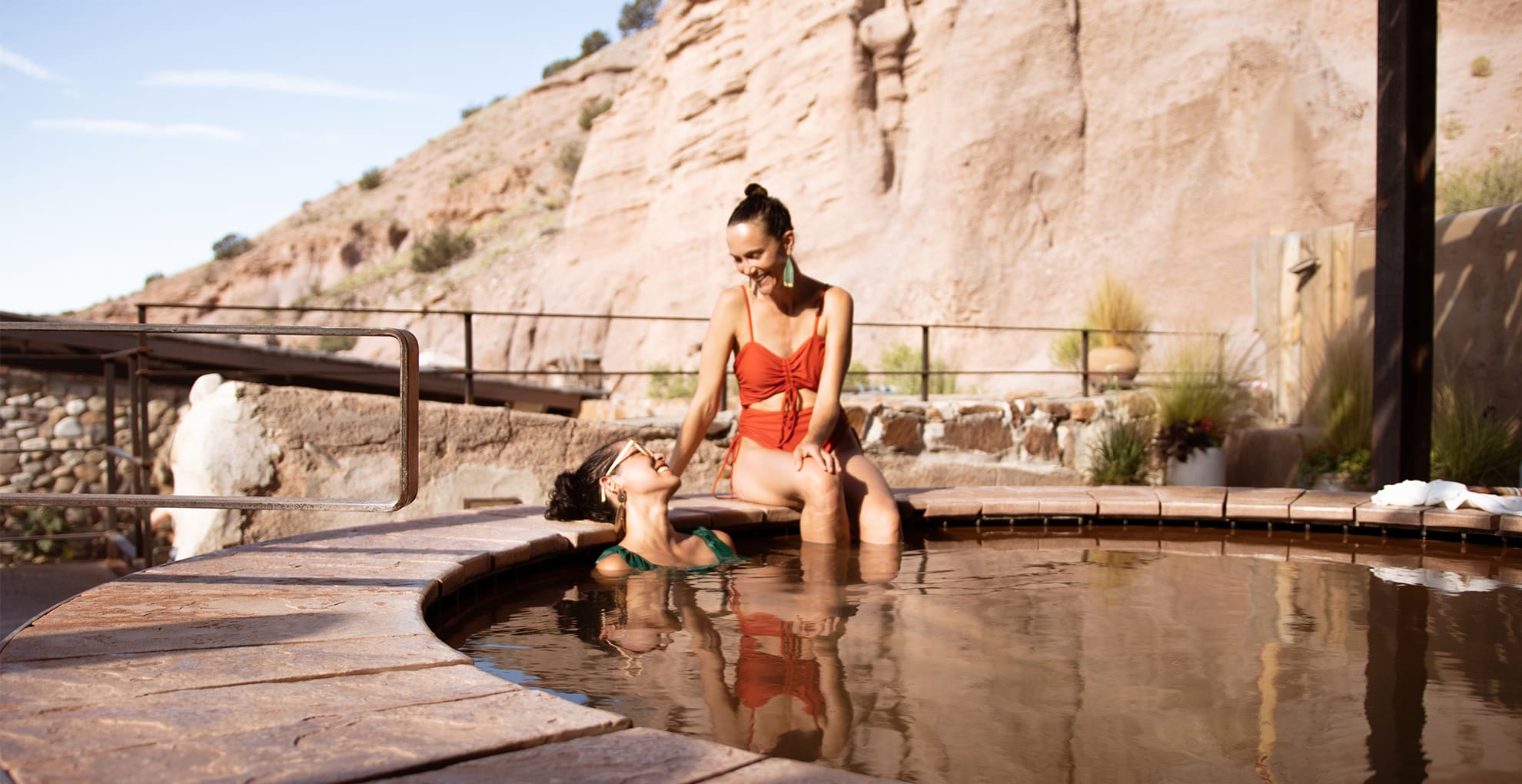
Two Properties, One Philosophy
The distinction between a wellness resort and a day spa is ultimately the difference between a treatment and a transformation. One fits in an afternoon. The other requires time, water, and a setting willing to hold you while the work happens.
Both Ojo properties are built for wellness and transformation. The springs have been doing it for centuries.
Explore current specials and packages for both properties, or call (877) 977-8212 to plan your stay.
Related Services: Ojo Santa Fe Spa | Ojo Caliente Spa | Specials and Packages | View All Offerings

Frequently Asked Questions
What is the difference between a wellness resort and a destination spa?
The terms are often used interchangeably. Both describe properties where wellness programming is central rather than supplementary. The key distinction from a day spa is duration and integration: destination spas and wellness resorts are built for stays, not appointments, and the full environment, not just the treatment room, is part of the experience.
Is Ojo Spa Resorts a luxury resort?
Ojo is a hydrotherapy resort grounded in genuine hospitality, natural surroundings, and the healing tradition of its springs. It is not positioned as a luxury brand. The experience is elevated, unhurried, and thoughtfully curated, rooted in the land and water rather than in amenity tiers.
Can you visit Ojo Spa Resorts as a day guest?
Yes. Both Ojo Santa Fe and Ojo Caliente offer day soaking passes. At Ojo Santa Fe, day passes are $45 on weekdays and $65 on weekends from 10 am to 10 pm. Spa treatments are available to day guests by reservation. Overnight stays extend soaking access to 7:30 am, considerably deepening the experience.
What makes hydrotherapy different from a regular spa treatment?
Hydrotherapy uses water, its temperature, mineral composition, and pressure, as a therapeutic tool rather than a setting. At Ojo, hydrotherapy is woven into every element: the mineral pools, the steam rooms, the float tank, and the spa treatments themselves, which incorporate hot towels soaked in Ojo’s proprietary herbal blend into each service.
Which Ojo property is right for me?
Ojo Santa Fe offers spring-fed thermal pools, a more resort-forward setting near Santa Fe, and a broader range of amenities, including a float tank, infrared sauna, and a saltwater pool. Ojo Caliente offers geothermal mineral hot springs with four distinct mineral waters, a more historic and rugged setting, and access to BLM wilderness. Many guests visit both.
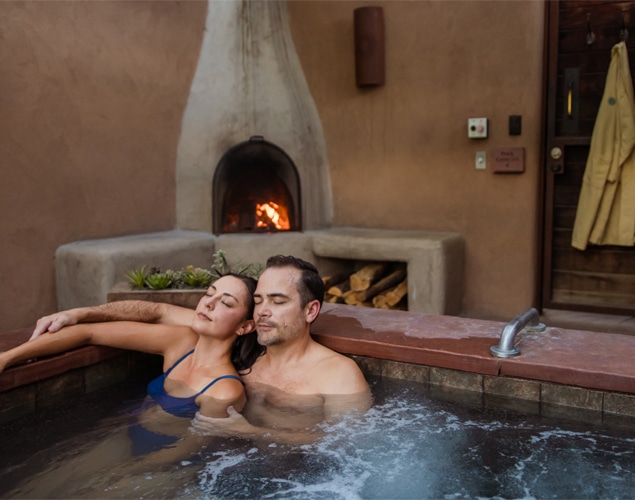
Dos Ojos Soaking Package
Enjoy a double dose of soothing self-care with our new Dos Ojos Soaking Package. Includes access to our communal soaking pools, a 50-minute private soaking session, and robe rentals for two at one all-inclusive price.
Ojo Bliss Spa Package
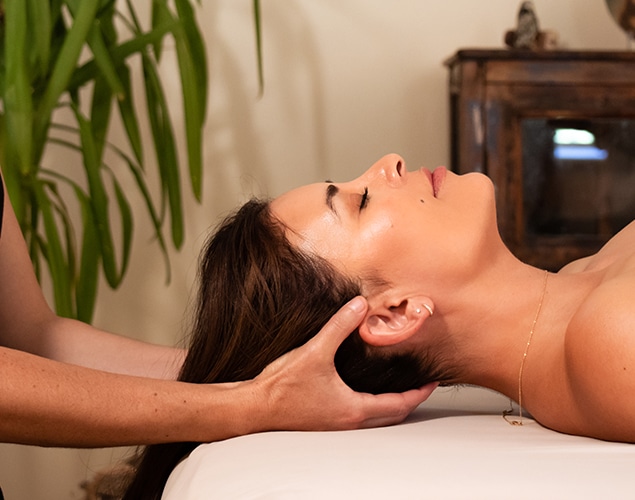
Elevate your Ojo experience with this all-inclusive day spa and soaking package. Combine thermal soaking in natural spring-fed waters with a restorative Essence of Ojo Massage for a day of ultimate relaxation.
Stay. Soak. Savor.
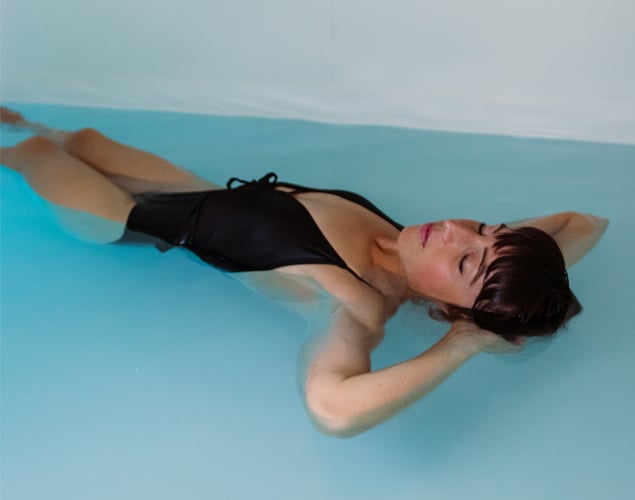
Get the most from your Ojo Santa Fe stay. Our Soak Stay Savor package includes dining credits, arrival fruit plate, and two sensory-deprivation float tank sessions with stays of two or more nights- plus, daily morning yoga with every stay.
Ready for your yoga-inspired Ojo escape?
Explore Ojo Spa Resorts and start planning your restorative Ojo getaway.
The waters are waiting.